Which Construction Jobs Use Digital Technology Every Day?
25/09/2026
Which Construction Jobs Use Digital Technology Every Day?
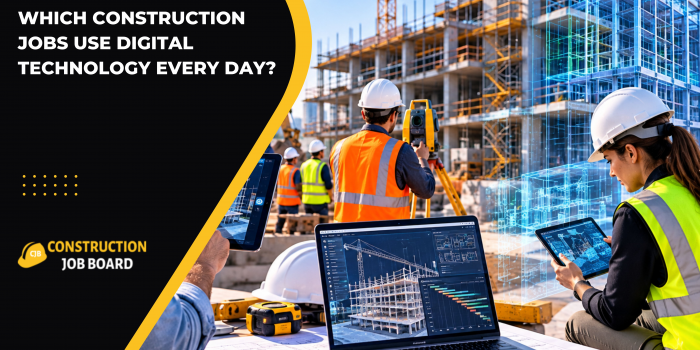
Digital technology is now used across many parts of construction, from design and estimating to project management, surveying, site reporting and building information modelling. Construction jobs using digital technology are not limited to specialist technology positions. Many traditional construction roles now involve digital tools as part of their everyday work.
Direct Answer
Construction jobs that commonly use digital technology include BIM Technician, BIM Coordinator, Design Manager, Quantity Surveyor, Project Manager, Site Manager, Civil Engineer, Estimator, Planner and Surveyor roles. The technology used varies by profession and project, but may include BIM software, digital drawings, estimating systems, project-management platforms, surveying equipment, mobile site applications and cloud-based document systems.
Digital skills do not necessarily replace practical construction knowledge. In many roles, technology is used alongside technical, commercial and site experience.
Key Takeaways
- Digital technology is used across both site and office construction roles.
- BIM is particularly relevant to design and information-coordination positions.
- Quantity Surveyors can use digital tools for measurement, cost management and reporting.
- Site Managers increasingly use mobile and cloud-based systems for site information.
- Civil Engineers and Surveyors may use digital surveying and modelling technology.
- Project Managers use digital systems to manage programmes, documentation and communication.
- Estimators can use specialist software to support pricing and cost analysis.
- Digital skills can complement practical construction experience.
- Employers may ask for specific software knowledge depending on the role.
- Job seekers should demonstrate how they have used technology rather than simply listing software.
Why Is Digital Technology Important in Construction?
Construction projects generate large amounts of information.
This can include:
- Drawings
- Models
- Specifications
- Programmes
- Cost information
- Site reports
- Quality records
- Safety documentation
- Procurement information
- Progress data
Digital tools can help construction teams create, manage, share and review this information.
The technology used depends on the type of project and the responsibilities of each professional.
A BIM Coordinator may spend much of the working day reviewing models, while a Site Manager may use a mobile application to complete inspections and access drawings.
The technology is therefore different, but digital capability can be relevant to both roles.
Which Construction Jobs Use BIM Every Day?
BIM-related roles are among the most technology-focused careers in construction.
BIM Technician
A BIM Technician may spend significant time creating, editing and maintaining digital models and project information.
Depending on the discipline, this could involve architectural, structural, civil or MEP information.
BIM Coordinator
A BIM Coordinator may review models from different disciplines and support coordination between project teams.
Tasks can include model review, clash detection, information coordination and supporting digital collaboration.
Design Manager
Design Managers can use digital models and information systems to coordinate design development and communication between consultants, contractors and other project stakeholders.
Candidates applying for Design Manager Jobs can therefore benefit from demonstrating relevant digital experience alongside design and construction knowledge.
How Do Quantity Surveyors Use Digital Technology?
Quantity Surveyors can use digital technology throughout commercial project management.
Depending on the role, technology may support:
- Quantity measurement
- Cost planning
- Estimating
- Valuations
- Cost reporting
- Procurement
- Contract administration
- Document management
- Forecasting
Digital measurement and project-information tools can make it easier to work with large amounts of project data.
However, software does not replace commercial judgement.
A Quantity Surveyor still needs to understand costs, contracts, procurement, construction methods and project requirements.
How Do Site Managers Use Digital Technology?
Site Managers increasingly work with digital information while managing construction activities.
They may use mobile devices to access:
- Drawings
- Project documents
- Inspection records
- Site reports
- Programmes
- Quality information
- Safety documentation
- Progress updates
Digital tools can allow information to be accessed directly on site rather than relying entirely on printed documents.
A Site Manager may therefore need both practical site-management skills and enough digital confidence to work effectively with the systems used by the project.
Do Civil Engineers Use Digital Technology?
Yes. Digital technology can be an important part of civil engineering work.
Depending on the position, Civil Engineers may use:
- CAD software
- BIM platforms
- Digital surveying information
- Engineering analysis software
- 3D models
- Geographic information systems
- Project-management systems
The precise software requirements vary considerably between civil engineering employers.
Someone applying for Civil Engineer Jobs should therefore focus on the tools relevant to the specific vacancy rather than listing every engineering software package available.
How Do Surveyors Use Digital Technology?
Surveying has become increasingly technology-driven.
Depending on their specialism, surveyors may work with:
- Total stations
- GNSS equipment
- 3D laser scanning
- Digital levels
- Drone-based surveying
- Point-cloud data
- Digital terrain models
- CAD and BIM systems
Technology can help surveyors collect, process and communicate spatial information.
Practical knowledge remains important because professionals need to understand how the data relates to the physical environment.
How Do Estimators Use Digital Tools?
Estimators can use specialist software to support the preparation and management of construction costs.
Digital tools can assist with:
- Quantity take-offs
- Cost databases
- Pricing
- Tender preparation
- Supplier information
- Cost comparisons
- Bid documentation
For an Estimator, software knowledge can therefore complement an understanding of construction methods, materials, labour and project costs.
Candidates looking at Estimator Jobs should check whether a vacancy specifies particular estimating or measurement systems.
How Do Project Managers Use Digital Technology?
Project Managers may use several digital systems during a project.
These can support:
- Programme management
- Task tracking
- Project reporting
- Document control
- Communication
- Risk management
- Progress monitoring
- Resource planning
Some projects also use dashboards and data visualisation to give teams a clearer view of project performance.
The technology varies between employers, so adaptability can be useful.
What Digital Technology Is Used on Construction Sites?
Construction sites can use a wide range of digital tools.
Examples include:
Mobile Construction Applications
Workers and managers may use mobile applications for reporting, inspections, documentation and communication.
Digital Drawings
Digital drawings can provide site teams with access to current project information.
Drones
Drones can be used on appropriate projects for surveying, inspections, progress monitoring and site photography, subject to applicable requirements and project procedures.
3D Scanning
Laser scanning can capture detailed information about existing conditions and constructed environments.
GPS and GNSS
Surveying and positioning technologies can support setting out and measurement activities.
Digital Site Reporting
Site teams can use digital systems to record inspections, issues, progress and other project information.
Does Every Construction Worker Need Advanced Digital Skills?
No.
The level of digital expertise required depends on the role.
A BIM professional may need advanced specialist software skills.
A skilled trade worker may only need to use basic digital systems for communication, documentation, training or project information.
A Site Manager may need stronger digital skills because they may interact with several project-management and documentation platforms.
The important point is to understand the technology relevant to your specific career.
Can Digital Skills Help With Construction Career Progression?
Digital capability can complement career development, particularly when technology is becoming part of a person's existing responsibilities.
For example:
Site experience → digital site reporting → site management
or:
CAD experience → BIM training → BIM Technician
or:
Quantity surveying → digital measurement → commercial management
These are examples rather than guaranteed career paths.
Progression depends on experience, qualifications, employer requirements and the responsibilities associated with each position.
What Digital Skills Should You Put on a Construction CV?
Avoid creating a long software list without context.
Instead, identify the technology you actually use and explain how it supports your work.
For example:
Software: Revit
Experience: Used for developing and reviewing project models.
Or:
Digital project systems:
Used for site reporting, document management and inspection records.
This approach gives employers a clearer picture of your practical digital capability.
Should You Learn Software Before Applying for a Construction Job?
Not necessarily.
You should first identify what the target job actually requires.
If several vacancies for your target role repeatedly request a particular software package, learning or improving your knowledge of that tool may be useful.
However, software should be considered alongside:
- Construction knowledge
- Qualifications
- Practical experience
- Health and safety
- Communication
- Project knowledge
Learning a piece of software without understanding how it is used in construction may have limited value.
Are Digital Construction Jobs Only for Younger Workers?
Digital construction is not restricted to one age group or career stage.
Experienced construction professionals can develop digital skills alongside their existing industry knowledge.
In fact, combining long-term construction experience with modern digital capability can help professionals understand both the technology and the practical environment in which it is being applied.
Training can therefore be relevant at different stages of a construction career.
How Can Employers Tell if Someone Really Has Digital Construction Skills?
Practical examples provide stronger evidence than software names alone.
A CV can describe:
- The project
- The software used
- The candidate's responsibility
- The type of information handled
- The construction outcome or contribution
For example:
“Used digital project-management systems to maintain site records, track issues and communicate project updates.”
This tells an employer what the candidate actually did.
What Should Job Seekers Look for in a Digital Construction Vacancy?
Read beyond the job title.
Look for:
- Required software
- Digital responsibilities
- BIM requirements
- Reporting systems
- Project-management platforms
- Surveying technology
- Data responsibilities
- Training requirements
- Level of experience requested
Two vacancies with the same job title may have very different digital requirements.
Final Thoughts
Digital technology is now part of many construction careers, but not every role requires the same level of technical expertise.
BIM professionals may work with sophisticated models and coordination systems, while Site Managers may use mobile applications and digital documentation. Quantity Surveyors, Estimators, Civil Engineers, Project Managers and Surveyors can also use specialist digital tools as part of their everyday responsibilities.
For construction professionals, the most useful approach is to develop digital skills that complement existing industry knowledge.
For job seekers, it is also important to show how technology has been used in real construction work, rather than simply listing software packages on a CV.
Suggested Internal Links
Use natural internal links to relevant Construction Job Board pages:
- BIM Construction Jobs
- Site Manager Jobs
- Quantity Surveyor Jobs
- Project Manager Jobs
- Design Manager Jobs
- Civil Engineer Jobs
- Estimator Jobs
- Building Surveyor Jobs
- Construction Manager Jobs
- Construction Jobs
- Skilled Trades and Labour Roles
FAQs
1. Which construction jobs use digital technology?
BIM Technicians, BIM Coordinators, Design Managers, Quantity Surveyors, Project Managers, Site Managers, Civil Engineers, Estimators and Surveyors can all use digital technology as part of their work.
2. Do construction workers need digital skills?
The level of digital skill required varies by role. Some positions require advanced specialist software knowledge, while others only require basic digital skills for communication, reporting and accessing project information.
3. Is BIM the only digital technology used in construction?
No. Construction professionals can also use digital drawings, project-management systems, estimating software, surveying technology, mobile applications, cloud-based document systems, drones and 3D scanning.
4. Should I list construction software on my CV?
Yes, when it is relevant to the position and you have genuine experience using it. Where possible, explain what you used the software for rather than providing only a list of software names.
5. Can digital skills help with a construction career?
Digital skills can complement practical construction knowledge and may be useful for career development in areas such as BIM, project management, surveying, estimating, engineering, commercial management and site management.